Verizon 5G Antennas Explained: Inside the Hardware Powering Ultra-Fast Internet
telcomatraining.com – As one of the leading wireless carriers in the United States, Verizon has been at the forefront of 5G technology, pushing the limits of connectivity and speed. At the heart of Verizon’s 5G success lies its advanced antenna systems — sophisticated hardware designed to deliver blazing-fast data rates, lower latency, and wider coverage. Understanding how these antennas work provides valuable insight into how Verizon powers its ultra-fast internet services.
The Foundation: Understanding 5G Antenna Technology
Unlike 4G LTE, which relied on large, high-power macro antennas, Verizon’s 5G network uses a mix of massive MIMO (Multiple Input, Multiple Output) and beamforming technologies. These innovations allow antennas to handle multiple data streams simultaneously while directing signals more efficiently toward users.
Massive MIMO antennas contain dozens or even hundreds of small elements that transmit and receive signals in parallel. This creates spatial diversity and improves throughput. Beamforming, on the other hand, focuses these signals into narrow beams aimed directly at devices rather than broadcasting in all directions. The result is stronger signal quality, reduced interference, and significantly higher data speeds.
Verizon’s Use of mmWave and C-Band Spectrum
Verizon’s 5G strategy incorporates two main spectrum bands: mmWave (millimeter wave) and C-Band frequencies. Each plays a distinct role in achieving comprehensive coverage.
- mmWave 5G delivers lightning-fast speeds that can exceed 2 Gbps but operates over shorter distances and struggles to penetrate buildings. Verizon deploys small-cell antennas on streetlights, utility poles, and building rooftops to bring mmWave 5G closer to users in dense urban areas.
- C-Band 5G operates at mid-range frequencies (3.7–3.98 GHz), balancing speed and range. Verizon’s C-Band antennas extend coverage across suburbs and rural regions while still offering impressive performance, often between 300 Mbps and 1 Gbps.
By combining these technologies, Verizon can provide high-speed internet access both indoors and outdoors, from crowded city centers to suburban neighborhoods.
The Hardware Behind Verizon’s 5G Antennas
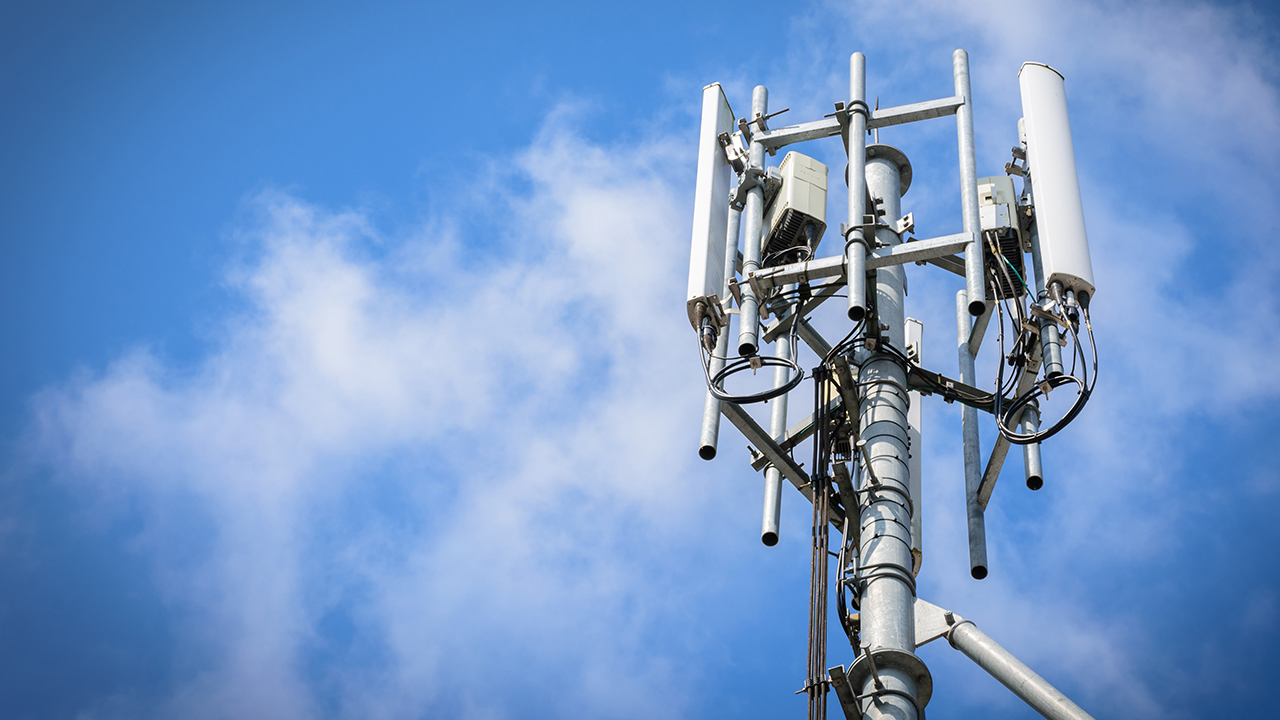
Verizon partners with leading hardware manufacturers like Ericsson, Nokia, and Samsung to build and deploy its 5G antennas. These units are designed for flexibility and performance, integrating active antenna systems (AAS) that merge radio frequency (RF) components and digital processing in one compact structure.
Each antenna contains:
- Transceivers for sending and receiving radio signals.
- Power amplifiers that boost signal strength.
- Phase shifters for beamforming control.
- Cooling systems to manage heat in high-performance environments.
These compact, intelligent antennas are typically connected to fiber backhaul networks that link directly to Verizon’s core infrastructure, ensuring fast and stable data transmission.
Overcoming Coverage Challenges
One of the key engineering challenges Verizon faces with its 5G rollout is signal propagation. High-frequency signals, particularly in mmWave bands, are easily blocked by walls, glass, and even trees. To overcome this, Verizon has deployed a dense network of small cells — miniature base stations that provide localized coverage. This “network densification” ensures consistent performance even in complex urban environments.
Additionally, Verizon leverages Dynamic Spectrum Sharing (DSS), which allows 4G and 5G to coexist on the same frequency bands. This flexibility helps accelerate nationwide deployment without disrupting existing services.
Looking Ahead: The Future of Verizon 5G Antennas
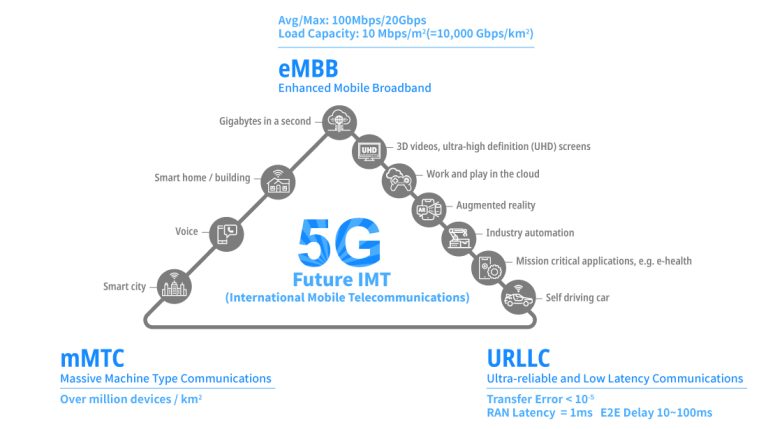
Verizon continues to invest heavily in research and development to make its 5G antennas smarter and more energy-efficient. Future iterations are expected to integrate AI-driven optimization, self-healing networks, and edge computing capabilities directly within antenna hardware. These upgrades will further reduce latency and enhance the reliability of 5G connections for next-generation applications such as autonomous vehicles, augmented reality (AR), and smart city infrastructure.
Conclusion
The power of Verizon’s 5G network comes not just from spectrum and software but from the intelligent design of its antennas. By combining advanced hardware technologies like massive MIMO, beamforming, and small-cell deployment, Verizon has built one of the most capable and future-ready 5G infrastructures in the world. As antenna innovation continues, the promise of ultra-fast, low-latency, and ubiquitous 5G connectivity will only become more attainable for millions of users.