Exploring the Future of Wireless: From 5G Waves to 6G Innovation
telcomatraining.com – The world of wireless communication has been transformed dramatically over the past decade. The rollout of 5G networks marked a major leap in connectivity, speed, and capacity—enabling technologies such as smart cities, autonomous vehicles, and the Internet of Things (IoT). Yet, as 5G continues to evolve, researchers and engineers are already looking ahead to the next frontier: 6G technology. This upcoming generation promises to push the boundaries of wireless communication even further, integrating artificial intelligence, advanced spectrum use, and immersive applications that redefine how humans and machines interact.
The Power of 5G Waves
5G, short for the fifth generation of mobile networks, operates on a range of frequency bands, including millimeter waves (mmWave) that can transmit data at incredibly high speeds. These high-frequency bands deliver multi-gigabit-per-second connectivity, ultra-low latency, and the ability to connect millions of devices per square kilometer. This makes 5G ideal for critical applications such as real-time remote surgery, industrial automation, and immersive virtual experiences.
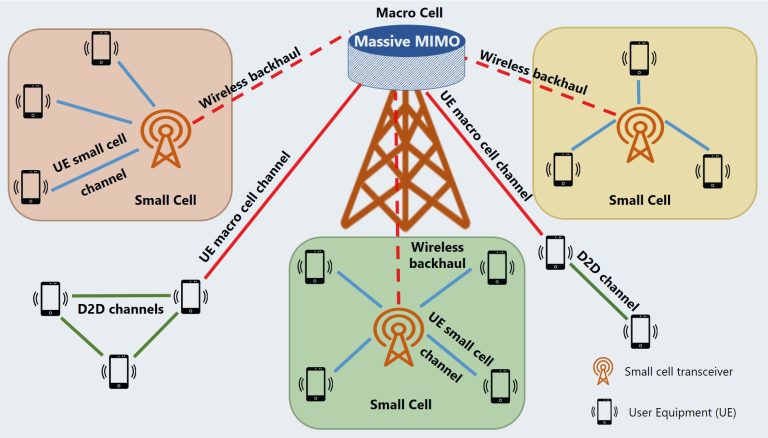
However, 5G’s capabilities also come with challenges. High-frequency signals are more susceptible to interference and have a shorter range, which requires dense small-cell deployment and advanced antenna designs. As engineers optimize 5G infrastructure, they’re also laying the groundwork for what comes next—6G innovation.
The Transition Toward 6G Technology
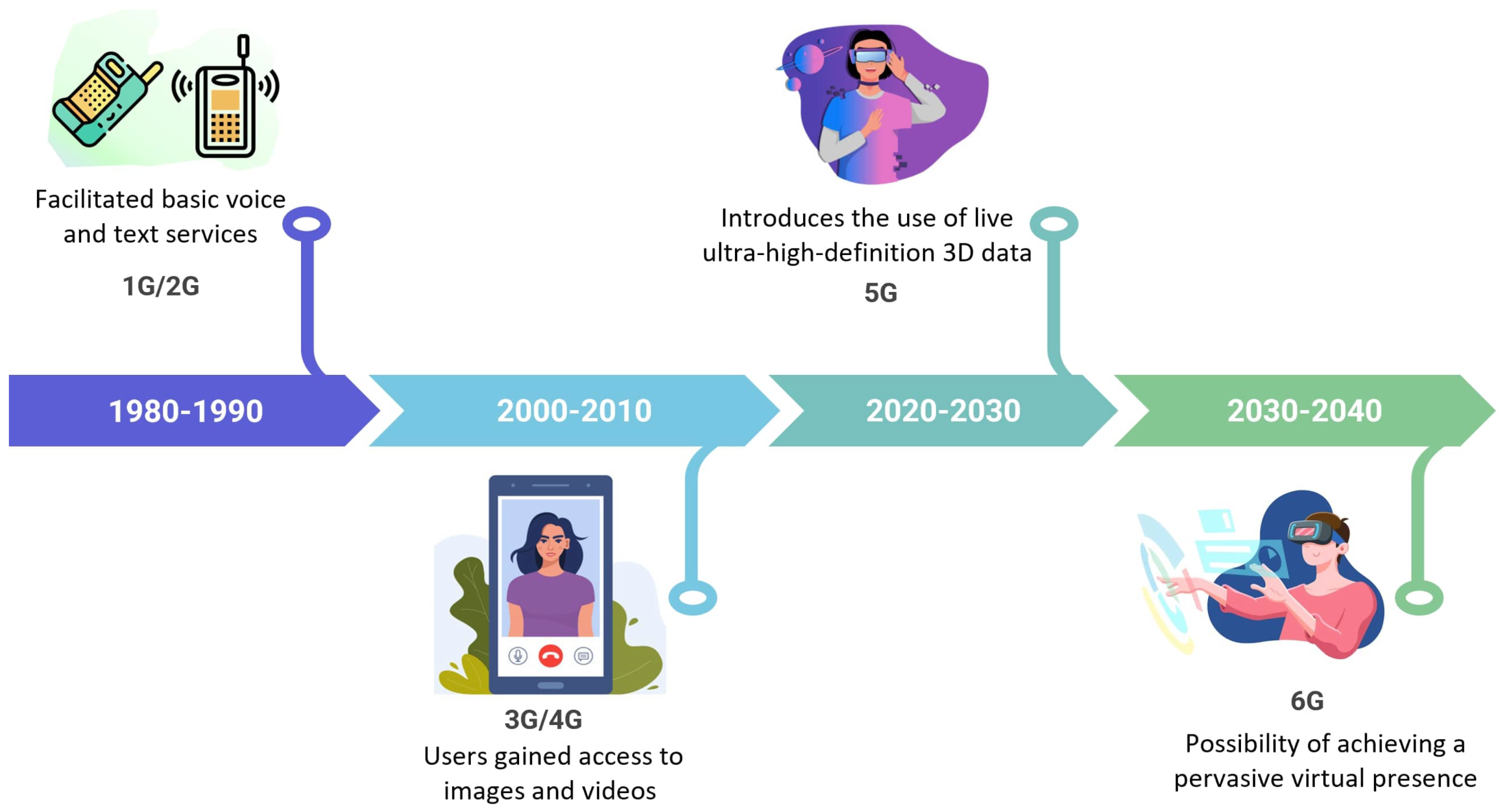
While 5G is still being deployed globally, 6G research is already well underway in countries like the U.S., Japan, South Korea, and Finland. Expected to launch around 2030, 6G aims to integrate cutting-edge technologies such as AI-driven networking, terahertz (THz) communication, and intelligent edge computing. These advancements will make data transmission faster, more efficient, and more adaptive to user needs.
6G networks are expected to deliver speeds up to 1 terabit per second (Tbps)—roughly 100 times faster than 5G. Beyond raw speed, 6G will enable “holographic communications”, extended reality (XR), and digital twin environments, where physical and digital worlds merge seamlessly. Imagine collaborating with a colleague’s 3D hologram or navigating a fully digital replica of an entire city in real time—this is the promise of 6G.
Key Technologies Behind 6G Innovation
Several breakthrough technologies will define 6G’s development:
- Terahertz Spectrum (THz Bands): Operating between 100 GHz and 10 THz, these ultra-high frequencies will provide unmatched bandwidth but require new solutions for signal propagation and hardware design.
- Artificial Intelligence (AI) Integration: AI will become the backbone of 6G networks, managing spectrum allocation, predicting traffic patterns, and optimizing energy consumption.
- Quantum Communication and Security: 6G will integrate quantum encryption for nearly unbreakable security, addressing the growing threat of cyberattacks.
- Intelligent Surfaces and Reconfigurable Antennas: These will allow signals to adapt dynamically to their environments, improving reliability and coverage in dense urban areas.
The Human and Industrial Impact
The shift from 5G to 6G will revolutionize industries across the board. In healthcare, 6G’s ultra-low latency will support remote robotic surgery with near-zero delay. In transportation, connected vehicles will communicate instantly with smart infrastructure, improving safety and traffic efficiency. In education and entertainment, users will experience lifelike holographic classrooms and immersive AR/VR environments that blur the line between reality and simulation.
Moreover, 6G’s emphasis on sustainability and energy efficiency aligns with the global goal of reducing carbon emissions. AI-based energy management will ensure smarter use of power across networks, contributing to greener digital ecosystems.
Conclusion
As we move beyond the era of 5G waves and into the dawn of 6G innovation, the wireless landscape is set to transform once again. 6G will not only connect people—it will connect intelligence, data, and environments in ways we’ve never imagined. For researchers, engineers, and tech enthusiasts, now is the perfect time to explore, experiment, and prepare for a future where connectivity truly knows no limits.
Keywords: 5G waves, 6G innovation, wireless technology, terahertz spectrum, AI in networking, future of communication