BlackBerry 5G Smartphone Review: Can It Make a Comeback?
telcomatraining.com – For years, the BlackBerry name was synonymous with security, productivity, and executive prestige. Once the go-to smartphone for professionals, BlackBerry dominated the early mobile market with its iconic QWERTY keyboards and enterprise-level encryption. However, as touchscreen smartphones took over, BlackBerry’s relevance faded. Now, with the introduction of a rumored BlackBerry 5G smartphone, the question arises—can this legendary brand truly make a comeback in the 5G era?
The Promise of BlackBerry 5G
BlackBerry’s partnership with OnwardMobility aimed to revive the brand with a 5G-enabled Android smartphone focused on privacy, productivity, and performance. Although the project has faced delays and uncertainty, the concept itself sparked massive interest. The promise was simple: deliver a secure 5G device with a physical keyboard—a nostalgic yet practical design choice for professionals who value tactile feedback.
If launched, the BlackBerry 5G smartphone would combine modern connectivity standards with classic design principles, setting it apart in a market flooded with touch-only devices. With 5G, users can expect ultra-fast data speeds, improved latency, and more stable connections—essential for business users relying on cloud-based workflows, video conferencing, and remote access.
Design and Build: A Return to Functionality
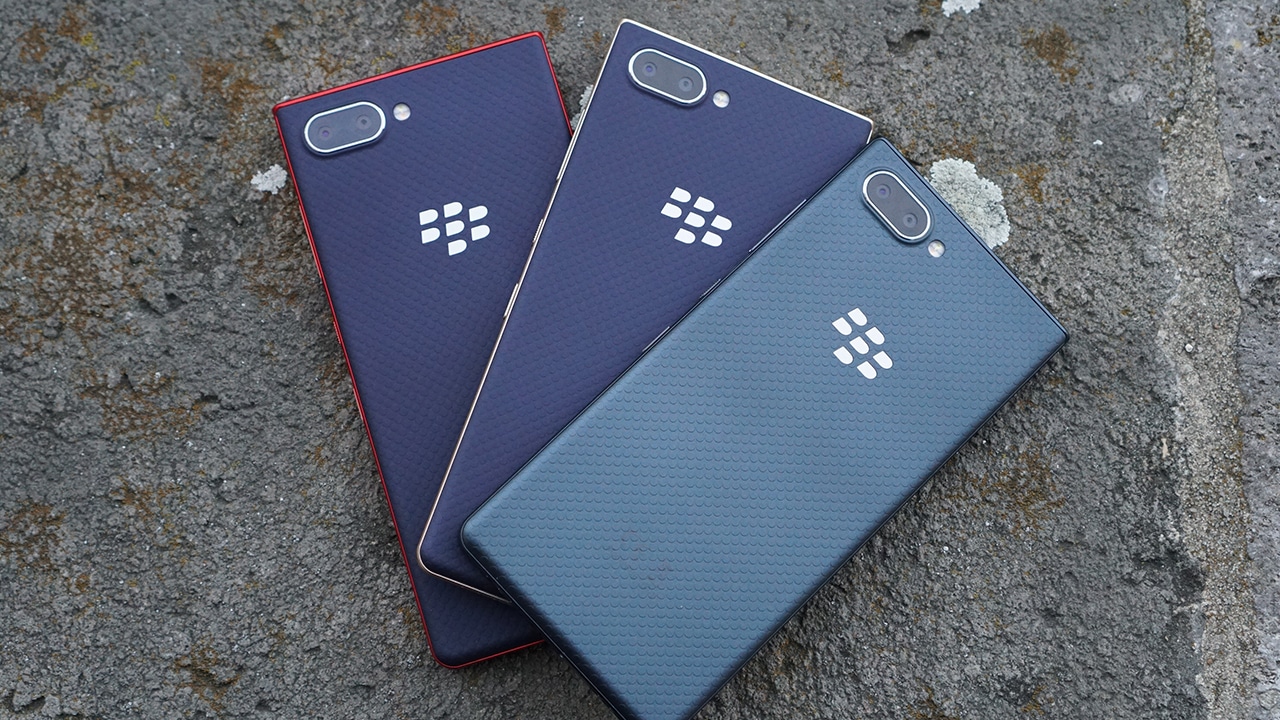
Unlike most flagship smartphones today, the proposed BlackBerry 5G aims to blend premium aesthetics with functionality. The device is expected to feature a hybrid form factor—a touchscreen display coupled with a physical QWERTY keyboard. This unique approach could appeal to professionals and loyalists who miss the precision and comfort of tactile typing.
Materials such as brushed aluminum and matte-finished polycarbonate could provide both durability and sophistication. Early design concepts suggested a sleek, professional look that aligns with BlackBerry’s original identity: serious, secure, and built for business.
Performance and Security
What truly set BlackBerry apart was its unmatched security infrastructure. The new 5G model is expected to continue this legacy by integrating enterprise-grade encryption and enhanced privacy controls. In an age of constant data breaches and cyber threats, a smartphone that prioritizes digital safety could fill a critical niche.
Under the hood, the device would likely run a customized version of Android, optimized for productivity and security. With 5G connectivity, users could benefit from faster uploads, seamless VPN connections, and encrypted messaging—all critical for remote workers and corporate users. If coupled with a high-end Snapdragon processor, ample RAM, and long battery life, the BlackBerry 5G could compete respectably with other flagship devices.
Can BlackBerry Compete in 2025?
The smartphone market today is brutally competitive. Giants like Apple, Samsung, and Google dominate both hardware innovation and software ecosystems. To make a real comeback, BlackBerry would need to focus on niche excellence rather than mass-market appeal. Its strength lies in privacy, productivity, and professional design, targeting users who value security over entertainment.
Moreover, integrating AI-driven security tools, biometric authentication, and cloud collaboration apps could make the BlackBerry 5G not just a phone, but a mobile workstation for modern professionals.
Final Verdict: A Comeback with Potential
While BlackBerry’s 5G smartphone revival remains uncertain, its concept carries strong potential. The blend of classic design, enterprise-level security, and modern 5G performance could attract a loyal audience that feels underserved by mainstream brands. Whether it succeeds or not will depend on execution—delivering a device that balances nostalgia with next-gen innovation.
If done right, the BlackBerry 5G smartphone could mark one of the most impressive comebacks in tech history—proof that in a world of glass slabs and endless apps, there’s still room for a phone built for focus, security, and real productivity.